A successful criminal or civil trial requires many things. It needs an experienced, impartial judge who can understand the facts of the case. It needs attorneys who provide their clients with the best representation possible. And sometimes, a trial even requires a dentist.
At Evolve Dentistry & Aesthetics, we offer dentistry services of all kinds. From general services like cleanings to more specialized treatments like dental implants, we can provide the assistance you need.
However, our lead dental expert, Dr. McGowen, also provides a service most professionals can’t: forensic dentistry.
A forensic dentist in New Bern can provide the key piece of evidence that adds perspective to a criminal or civil case. Read on to learn more about how the process works.
Table of Contents
You can also skip ahead to the information you need about our forensic dental services at Evolve Dentistry & Aesthetics.
What Is Forensic Dentistry?
What Cases Require Forensic Dentistry?
Dental ID
Age Assessment
Patterned Injury (Bite Marks)
Expert Witness Testimony
Providing Forensic Dentistry Training
What Is Forensic Dentistry?
Forensic dentistry is a process wherein dental experts (like Dr. McGowen) work with law enforcement officials to advise and analyze evidence in legal cases or open investigations. Despite how niche this branch of the dental field may be, it can take many shapes.
Dr. McGowen provides assistance in 4 types of cases:
- Dental identification
- Age assessment
- Patterned injury (evaluating possible bite marks)
- Expert witness testimony
These case types all require specific knowledge and training, so Dr. McGowen has an extensive background in forensic dentistry. She can bring her expertise to a variety of cases.
What Cases Require Forensic Dentistry?
Let’s take a closer look at these types of cases and how a forensic dentist in New Bern helps the process.
Dental ID
Dental identification can provide important clarity during a civil or criminal case. Because teeth break down at a significantly slower rate than other biological materials, like skin and muscle, they often serve as vital evidence during legal proceedings.
What Types of Cases Need Dental Identification?
The most common types of cases are ones where the victims have become unrecognizable physically, whether from exposure to the elements or other factors.
For one example, a civil case may involve a bridge collapse that tragically claims the lives of several people. But in the event of such a catastrophic disaster, finding and identifying the bodies takes significant time and effort, and it becomes especially challenging when the remains become exposed to harsh elements, like saltwater.
If a recovery team finds waterlogged human remains, it may be difficult to positively identify them, in which case they may reach out to a forensic dentist in New Bern to provide an expert analysis.
How Can a Forensic Dentist Use Teeth to Identify a Body?
Like fingerprints, everyone has their own unique set of teeth. One person may have 3 cavities on the right side of their mouth, or perhaps they still have their wisdom teeth.
Even the smallest variations in a person’s teeth can be the key to discovering their identity. This process used to be simpler, as the vast majority of the population had worse dental health. This meant that cavities and fillings were more prevalent, making it easier to identify remains.
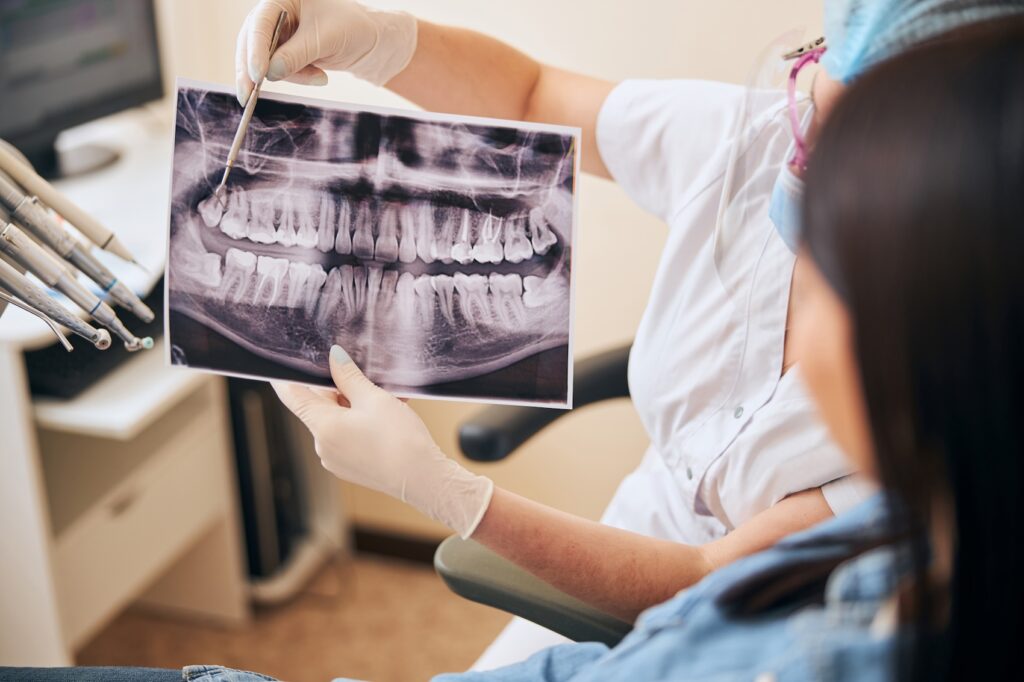
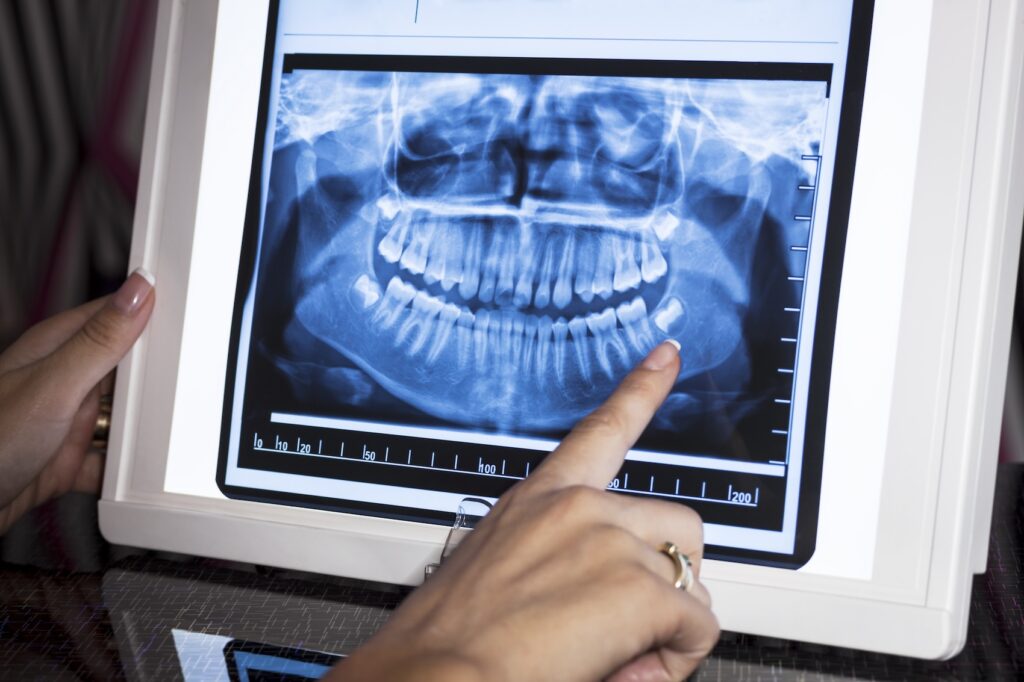
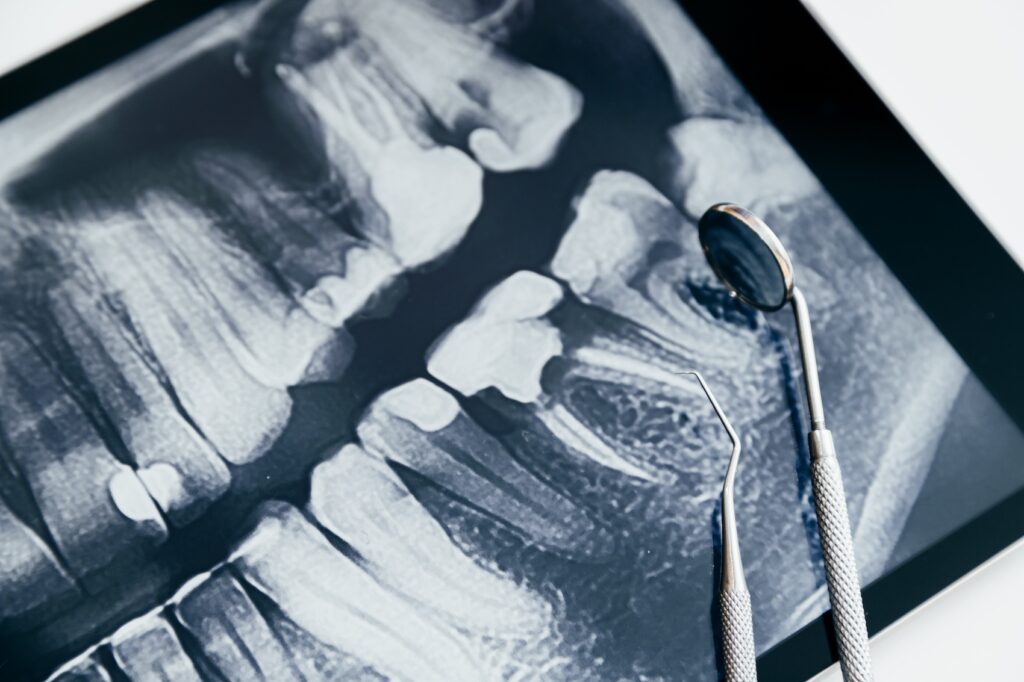
Nowadays, our forensic dentist in New Bern may compare the teeth of remains to the X-ray of a potential match. If the sets of teeth line up, experts can positively identify even the most decayed remains.
How Long Does the Identification Process Take?
The dental identification process isn’t just valuable for bodies exposed to harsh elements; it’s also an excellent resource for officials who want results quickly.
The United States’ legal system has a staggering backlog of cases and information requests, and this affects the efficiency of DNA identification as well. A process that should only take a few days can take weeks or months.
Because forensic dentistry is a much more specialized field, there aren’t nearly as many requests. In some cases, a forensic dentist in New Bern can provide an identification in as little as 2 days.
Age Assessment
Another common reason someone might request a forensic dentist is to perform an age assessment, such as in cases of mixed remains.
For example, if an apartment building burns to the ground, emergency responders may encounter dozens of burned bodies with no identifying features. Even if these bodies don’t have any dental records on file, our forensic dentist in New Bern could examine the teeth to estimate their age.
A legal team may also ask a forensic dentist to perform an age assessment in immigration cases. Without birth records or official documentation, it could be difficult to determine whether a defendant is a minor. A forensic dentist can perform an assessment and make an informed recommendation.
Patterned Injury (Bite Marks)
In some criminal cases, the most important body of evidence is the human body. Humans may leave all kinds of evidence behind when they commit crimes.
Even though a criminal may wear a mask or avoid cameras to conceal their identity during a crime, the body always leaves traces behind: skin cells, fingerprints, stray hairs, or bite marks.
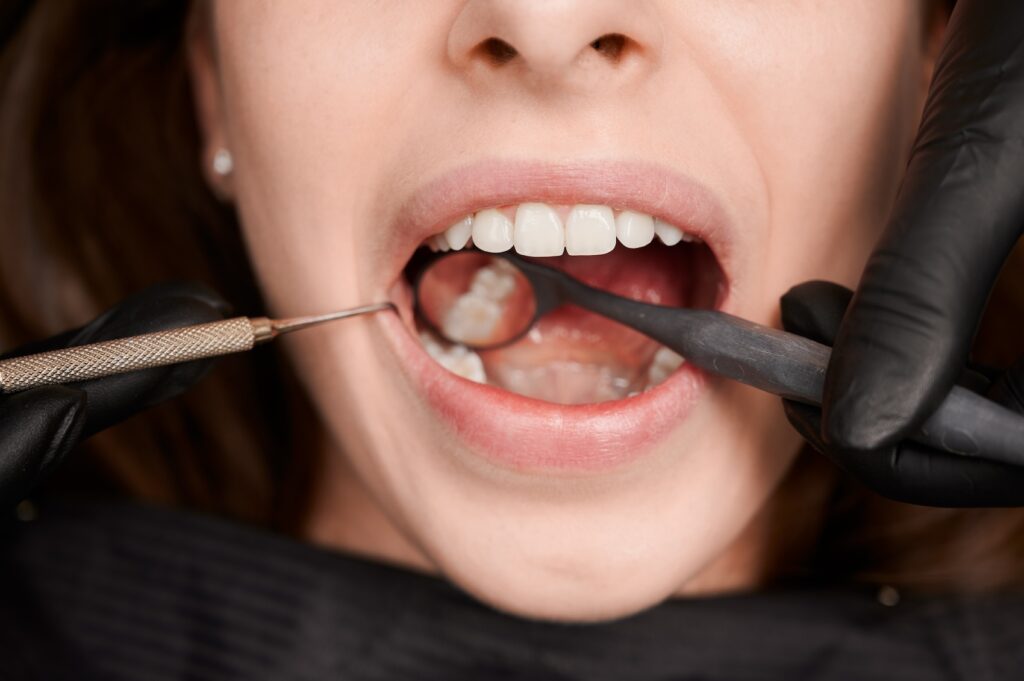
In particularly violent or aggressive crimes, a perpetrator may bite the victim, and with the help of a forensic dentist, this can become a vital piece of evidence.
For instance, let’s say a defendant is missing a canine tooth, and the victim has a bite mark that lacks an impression of the same exact tooth. A forensic dentist may highlight this as evidence that cannot exclude the defendant to the crime.
How Does Forensic Dental Evaluation Impact a Case?
There is extensive legal precedent for patterned injury analysis, including in one of the most infamous criminal cases in United States history. Serial killer Ted Bundy had extremely crooked teeth, which allowed legal professionals to match his teeth to the impressions found on the body of a victim.
As effective as these methods can be, experts do not use them as the sole piece of evidence to implicate a suspect. Instead, attorneys and law enforcement officials use patterned injury analysis as a method of exclusion, or ruling out suspects.
If a bite mark doesn’t match a suspect’s teeth, defense attorneys may use that to discount a suspect. If there is a clear match, patterned injury analysis can serve as a supplemental piece of evidence in building a larger case, although forensic dental analysis alone does not close a case.
Expert Witness Testimony
Legal professionals may also request the help of our forensic dentist in New Bern for expert witness testimony.
While forensic dental expertise can play an invaluable part in investigative proceedings, there are very few experts in the field.
In the United States, there are fewer than 70 board-certified forensic odontologists. Dr. McGowen is one of only 2 dental experts with forensic training in the state of North Carolina. With over 400hours of education, she is an obvious choice for any legal professional looking for an expert opinion.
What Type of Witness Testimony Does a Forensic Dentist Provide?
A lawyer may reach out to Dr. McGowen for any number of reasons.
For example, a legal team may request an expert witness’s testimony to explain the basics of their field to a jury. If a state’s case hinges on age assessment, for example, they may bring Dr. McGowen to the stand to explain how the age assessment process works and to restate her findings.
A forensic dentist can also offer assistance during a civil trial. If someone sues a provider for dental malpractice, an attorney may require an impartial dental expert to explain the basics of proper practice.
The vast majority of people do not understand the specifics of the dental process, so an expert who can relay the science in simple terms can be invaluable.
Providing Forensic Dentistry Training
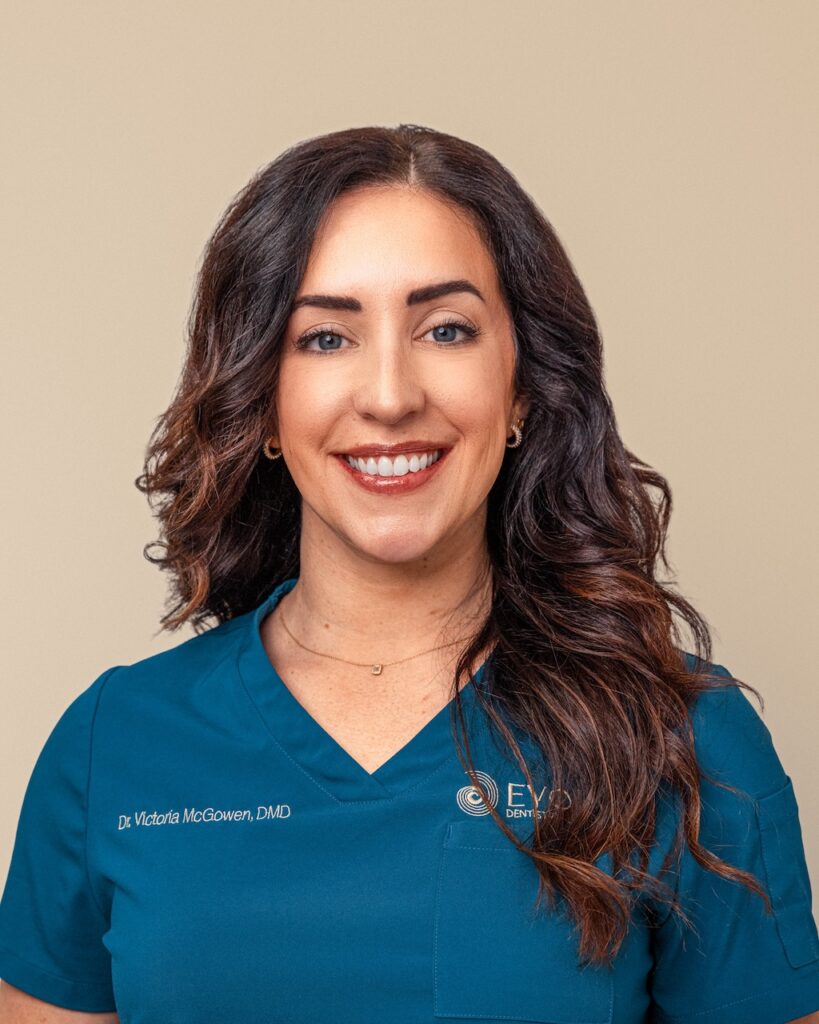
Our forensic dentist in New Bern doesn’t just perform analyses and expert witness testimony. Dr. McGowen also provides training for law enforcement agencies looking to learn more about the forensic dental process.
Because most law enforcement agencies have little experience with forensic dentistry, they can make simple mistakes that can impede the process down the line.
For example, even if a forensic officer at the scene of a crime takes a photo of a bite mark, they might do it at an inopportune angle, which makes it difficult for a dentist to evaluate the specific details.
Forensic dental experts like Dr. McGowen can reduce these simple mistakes with training, and because she offers guidance for free, any agency can take advantage of her expertise.
Meet With Our Forensic Dentistry Expert
Dr. McGowen, our forensic dentist in New Bern, has a unique expertise to support more efficient and effective investigations and civil or criminal cases.
To get started, you can request forensic services through our online form. Interested in one of our other general, restorative, or cosmetic dental services? Meet with our team for an in-person appointment.
When lives are on the line, you don’t want advice from just any dental professional—reach out to Evolve Dentistry & Aesthetics to receive the specialized forensic assistance you and your clients deserve.